
This review covers the Nexo ID14, ID24, P8, P10, P12 and P15 PA loudspeakers, the L15 and L18 subwoofers, and the Nexo NXAMPMK2 amplifiers.
Introduction
I’ve bought and used the smaller (point source) speakers in the NEXO PA speaker portfolio, and whilst Nexo publish lots of good data about them, there aren’t so many examples of real-world use of these cabinets. I think they’re all excellent in the right applications.
NEXO Speaker Series
Nexo have a few series of speakers. The current models covered here are from the ID (Inspace Definition) series in polyurethane cabinets and the wooden-box P+ (‘Plus’) series, which are the successors to the well-known PS8, PS10 and PS15 which launched in the 90s and were used a lot for 20 or so years. The partner subwoofers to the P+ series are the L15, L18 and L20 speakers.
I use the ‘touring’ versions of the ID and Plus series speakers. The ‘install’ versions don’t have handles, have more discreet but delicate cloth grille coverings, and swap speakon connectors for terminal blocks under IP-rated covers. They sound the same. There’s also a lower-end successor to the old PS series called the the ePS series aimed at installation use only, with matching eLS series subs – both not covered here.
Buying and Migrating Into the NEXO System
Nexo equipment is firmly in the professional category. Their speakers are maybe 3-4x the cost of a mainstream music-industry speaker of the same driver size, but it’s not a like-for-like comparison (see later). The world’s absolute best PA speakers will cost even more new, but that’s a top-tier reserved for mid-to-large PA companies to invest in. There’s Nexo equipment on the mainstream secondhand market, but new equipment will have to be sourced from trade-only distributors.
When buying at this professional tier, the manufacturers (including NEXO) are providing a system, and although you can mix speakers and amps between brands, the sound quality benefits only come when you use Nexo speakers with Nexo amplifiers (or nearly as good, a third-party amplifier paired with a Nexo controller). Nexo speakers on a non-Nexo amplifier, or non-Nexo speakers on a Nexo amplifier, would be a waste of money. The NEXO software is also part of the system (NS1 simulation, Nemo (‘NEXO monitoring’) amp control, and Dory for configuring the controllers).
You might be a band making a one-off investment into, say, a fixed-configuration FOH rig for your touring. It’ll work well and be an upgrade from your previous PA from a music retailer.
If you’re a sound services (PA hire) business, some of the greater benefits only come by having multiple NEXO amps and speakers, and being able to deploy them in different combinations and configurations. Previously I had a fully active PA rig (with amplifiers in every speaker) and that works well for a lot of things and is very robust against a big failure. This is a common trait with other higher-end pro audio speaker manufacturers as well such as Martin Audio, D&B Audiotechnik and L’Acoustics. You tend to be able to do more and get better overall performance with a smaller inventory of better-quality amplifiers and passive speakers.
As someone running a small PA business graduating from a fully-active PA rig, I can but most of the items I need from the UK warehouse stock of Leisuretec. NEXO give a 5 year warranty on new items. NEXO are owned by Yamaha Corporation.
Amplifiers
Nexo sell three amplifiers for the touring and live music market — the NXAMPMK2 series. They’re very similar apart from the power outputs. Each one is four channels of amplification controlled by four channels of signal processing and monitoring. On-screen or with network control, you configure each channel with the speaker model and application (floor, main etc.) and the amplifier will adjust the sound processing and protections accordingly. The amp will predict the speaker cone excursion and voice coil temperature and adjust the limiting based on that and the amplifier power. You can’t fry a speaker. It won’t let you.
I only have a couple of criticisms of the NXAMPMK2 amplifiers. The first only applies to conference-type work — the amp can sometimes ramp up its temperature-controlled fans and there’s not much you can do about it (although some people do mount the amps in racks with extra quiet fans). A conference mode would be good, where it either limited the amp power or pre-emptively did a milder fan increase to save a louder burst later. The other is the responsiveness of the touch screen, which is way too slow. It’s frustrating and not at all what you’d In expect at this price point.
Keep your patience with the slow response of the interface, and the flexible configuration and detailed monitoring is still pleasing. The menus and iconography are clear, with patching, delay, gain and EQ all configurable. Metering is clear but could do with some scale markers. Scene memories are useful, saving all config (but the on-screen keyboard is, again, maddeningly unresponsive). Custom savings for EQ would be handy, as I like to overlay per-speaker subtle refinements to the P+ factory presets.
The amps will all drive down to 2 ohms, or 4 ohms bridged, creating loads of options for distributing speakers across the outputs. For example, FOH left and right, mono sub(s), and front fills or delays, all derived from a stereo LR input if needed.
There’s another amp that is a miniature NXAMP: the nanoNXAMP4, designed for installation use. However, it can still be racked up and used on smaller gigs and put out 4x 250W, and it’s way cheaper than the smallest NXAMP. It only has presets for some of Nexo’s smaller speakers, it doesn’t have any physical controls on it, and it can only be controlled via the very powerful web interface.
Update Sept 2026: I was just thinking there ought to be another amp between the full size NXAMPs and the nano amp, and as if by magic, the microNXAMP4x1 appears in the P+ series brochure page 10. It’s not on NEXO’s main amplifier page or listed with any distributors yet. I suspect it will be ideal for small or quiet-room PA jobs (corporate presentations, theatre, school concerts). It can do interesting power sharing tricks with its 4x 1000 watt channels, bridging in series and/or in parallel, for more voltage or current (or both) according to what you need. Nice. That makes it very versatile. The brochure suggested configurations all now use the microNXAMP4x1 even if that means four amps for four speakers. And it’s only 1U high with a little colour display. More news as we get it.
The ID Series Speakers, Reviewed
The ID series extends from the tiny ID14 (single 4″) and extends to the ID84 (a column with 8x 4″ bass drivers) and its partner triple-12″ sub. In the middle of the range is the ID24 with two 4″ drivers and a horn, which sits well over the IDS-110 10″ sub, and the IDS210 dual-10″ sub is a further upgrade. The little ID14 can be used with the equally diminutive IDS108 8″ sub,
You can get all the specs from the brochure and datasheets, so I’m going to leave out some detail in favour of commentary and real-world use.
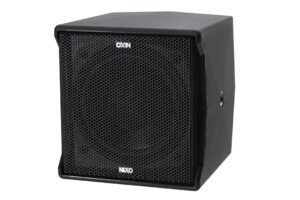
The polyurethane top boxes in the ID series are compact for their output levels.
The Nexo ID14
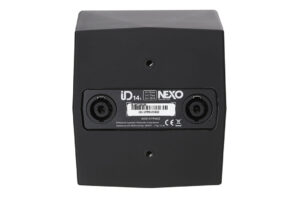
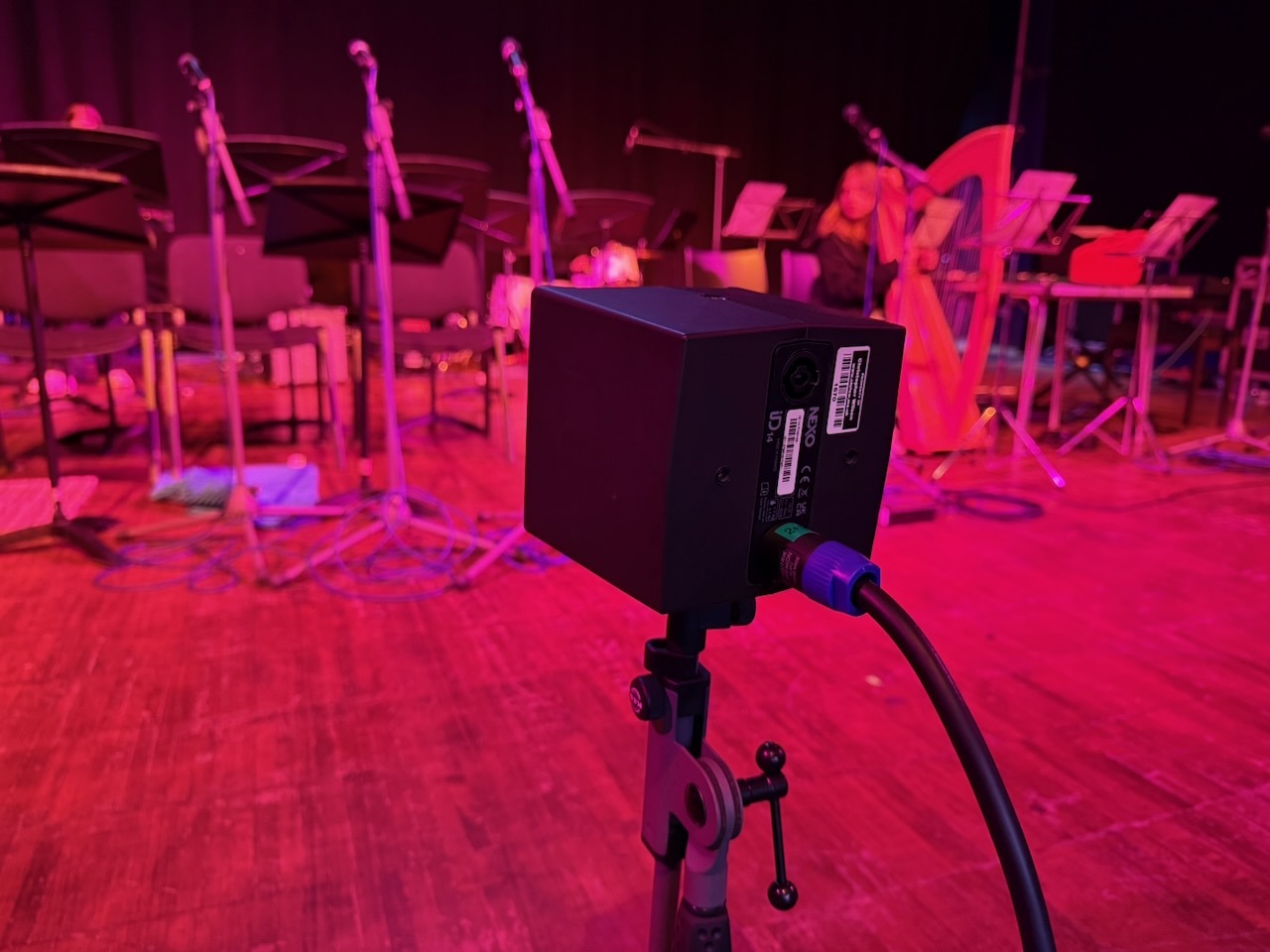
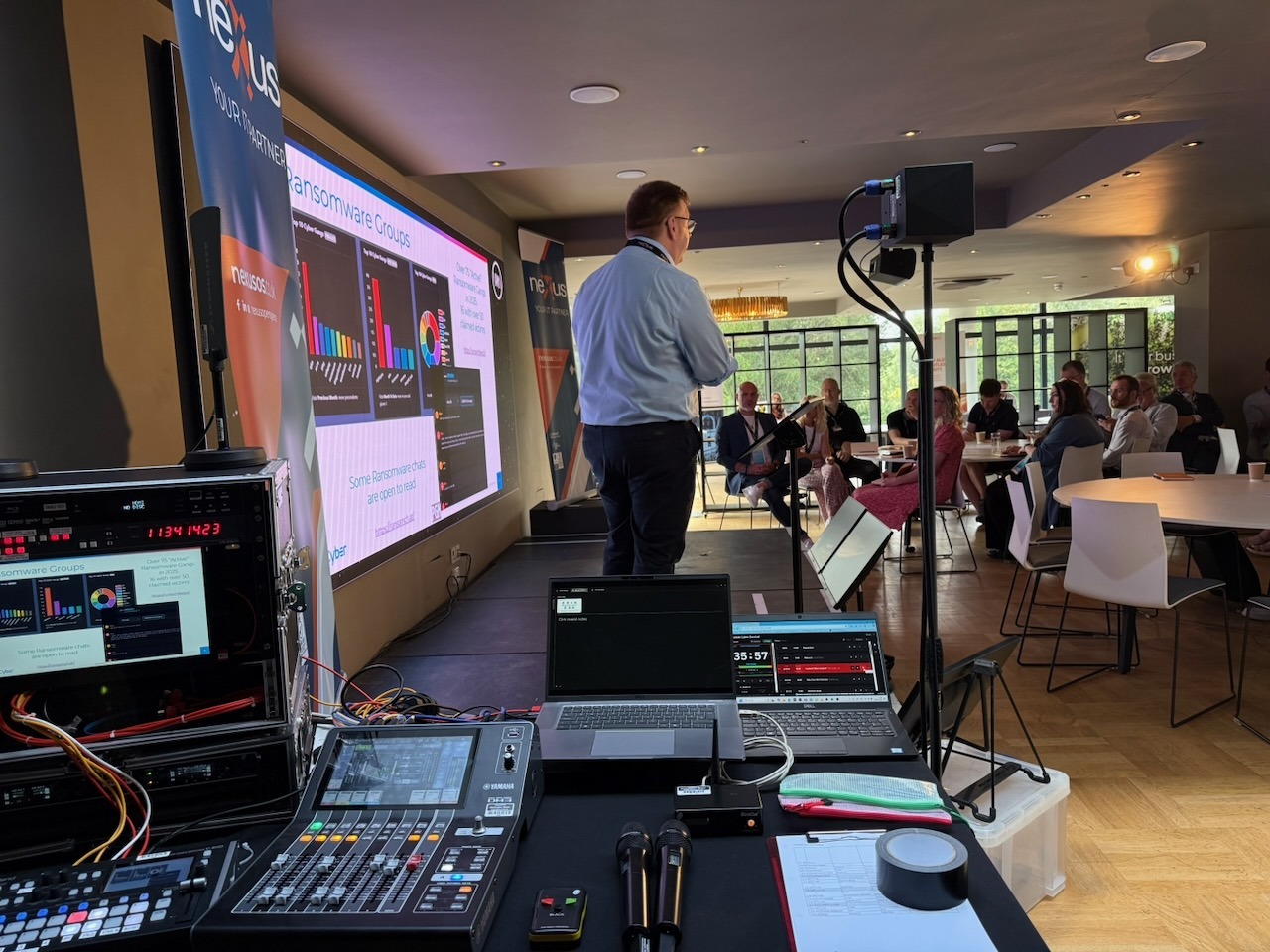
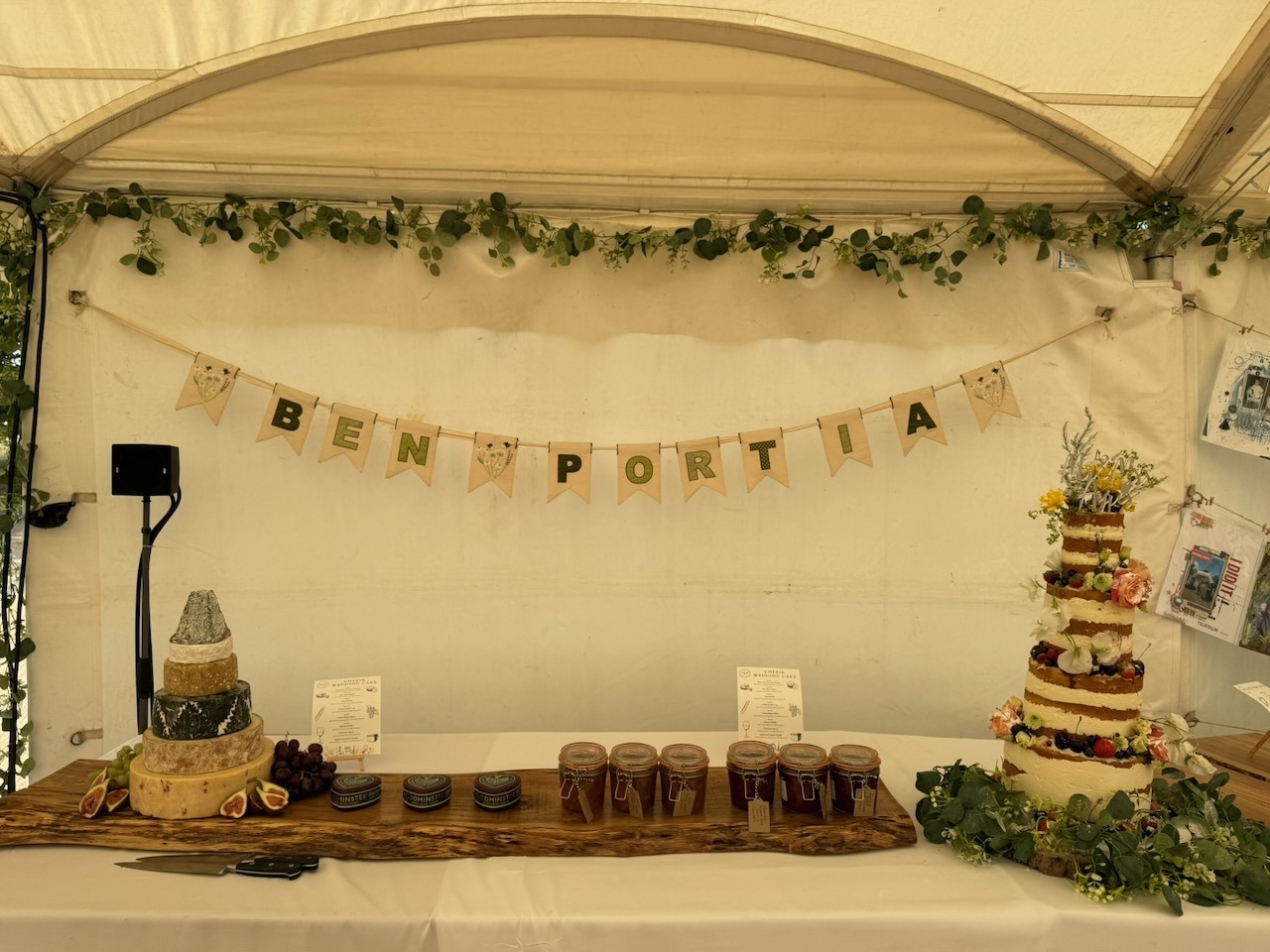
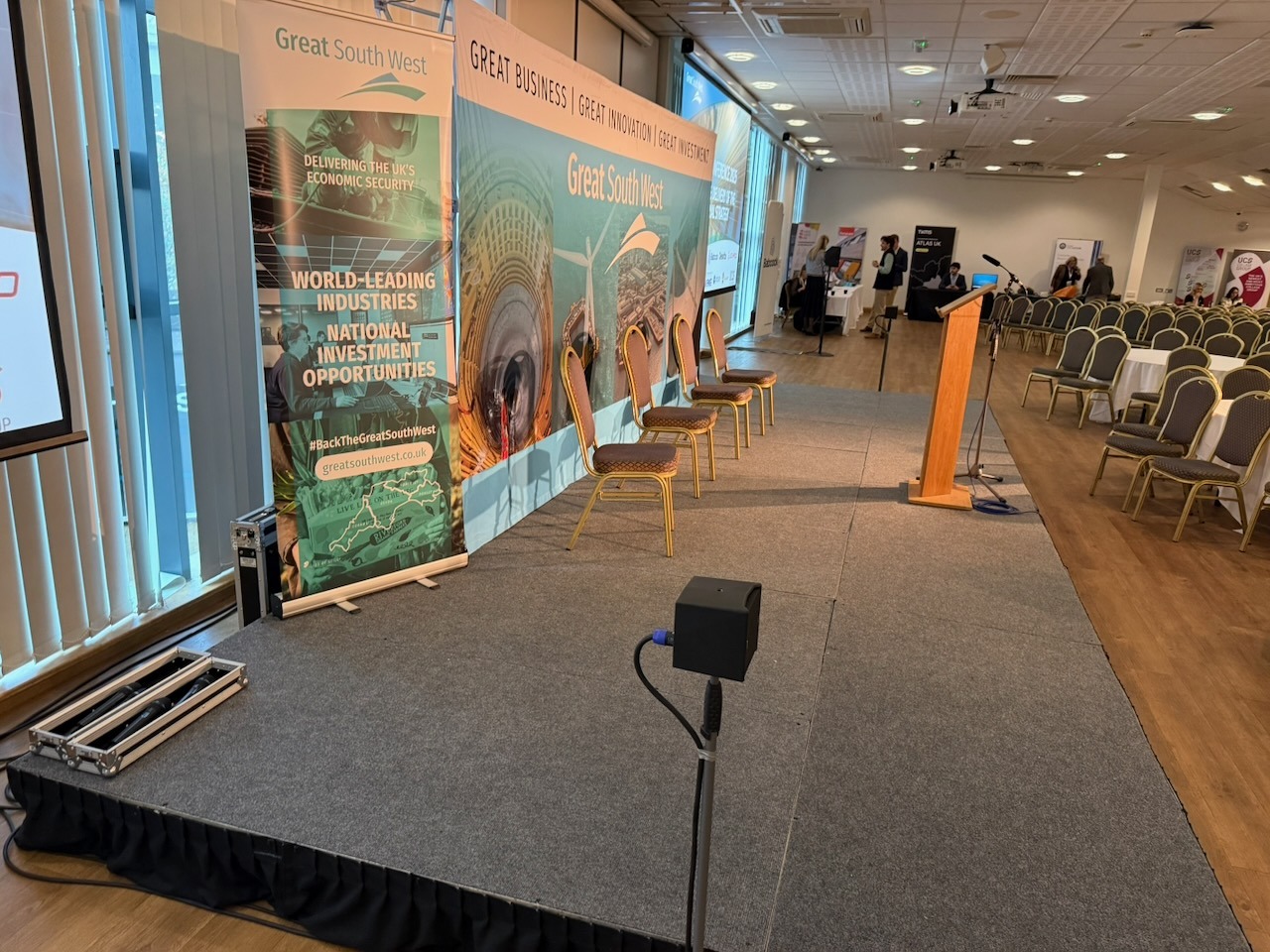
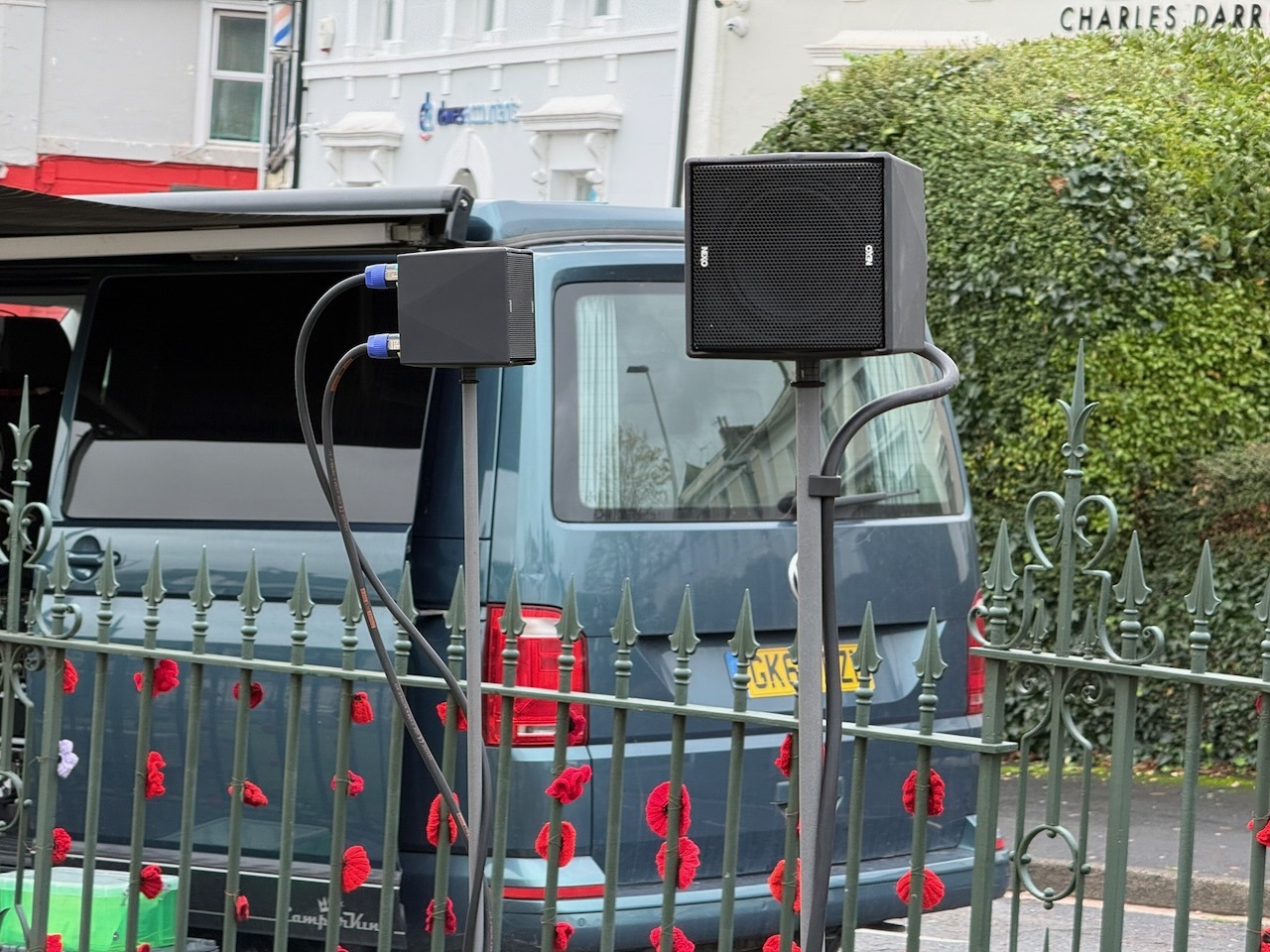
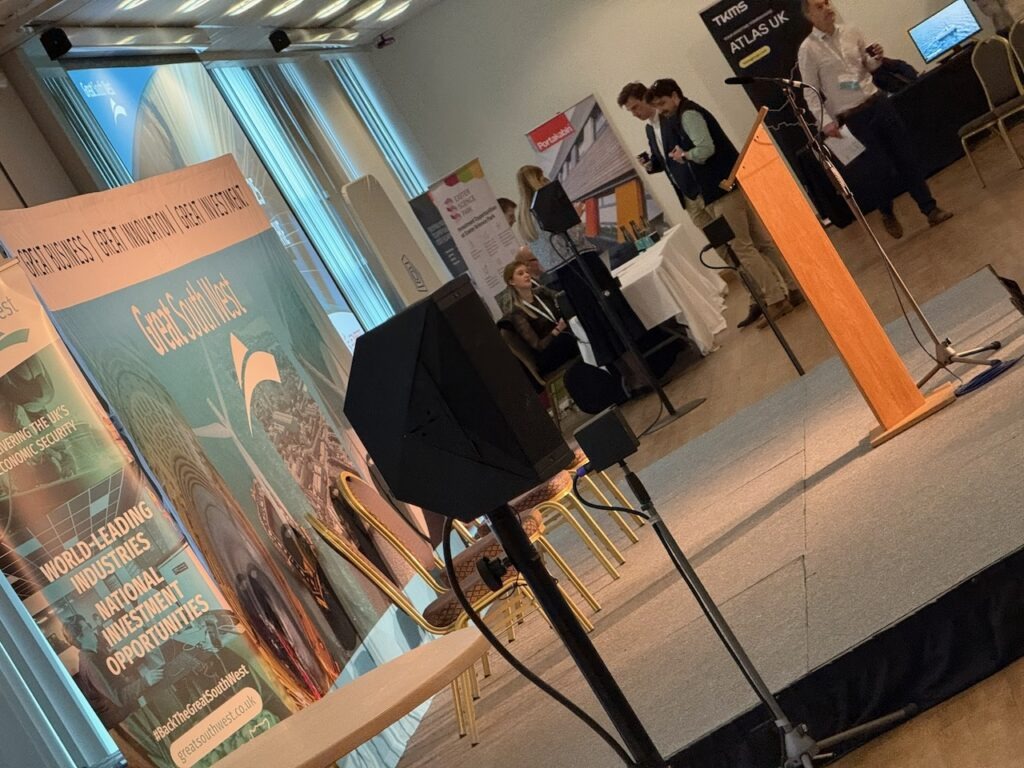
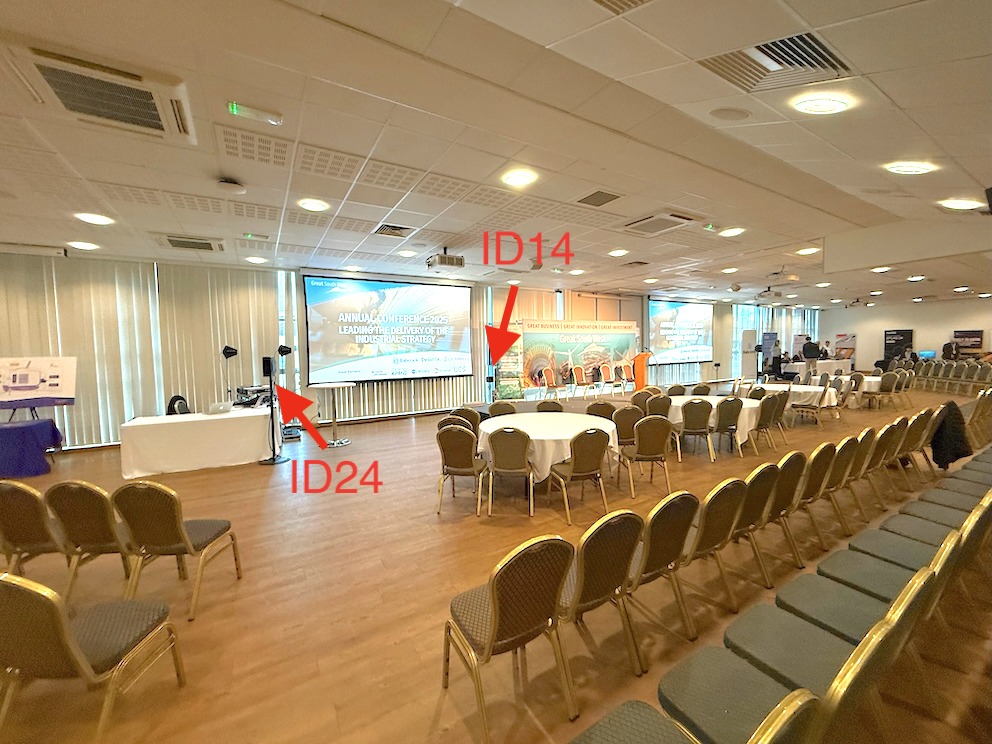
I use the ID14 for speech PA at conferences, seminars and weddings. It works for background music, too. I bought some adapters for the M6 threads on the ID14 to mount them on the 3/8″ threads on mic stands. Two speakers will cover a small-ish seminar. Four will cover a seminar of 100 people if well placed, at decent volume. The compact size means they suit events where discretion matters or sight lines are tricky, such as upmarket events, discreet front fill or even when you have to put speakers in the sight line for a projector screen.
The ID14 sound is a little boxy for my liking, but rolling off the lower midrange a bit solves that completely. Within the 4″ main driver there’s a concentric HF driver with a 1.4″ diaphragm, so the high frequencies are strong. It’s a proper PA speaker. I would also use it for delays and spot-fill uses or utility vocal PA anywhere. Any of Nexo’s amps can drive it loud and the NXAMP Mk2 can have up to eight on one channel.
Being a 1.7kg speaker, that’s fine on a decent mic stand, but the funny reality is that the speaker cabling you use for it is likely to weigh more than the speaker, if it’s heavy-duty. Nexo sell a dedicated flight case but I keep my four ID14s in a bag designed for small battery uplighters.
The NEXO ID24
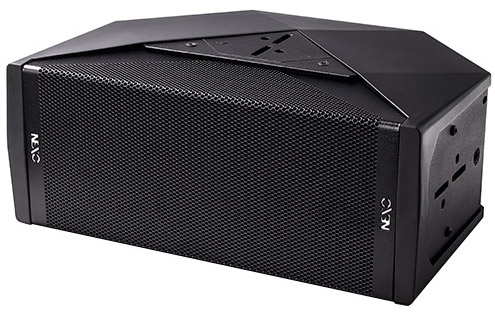
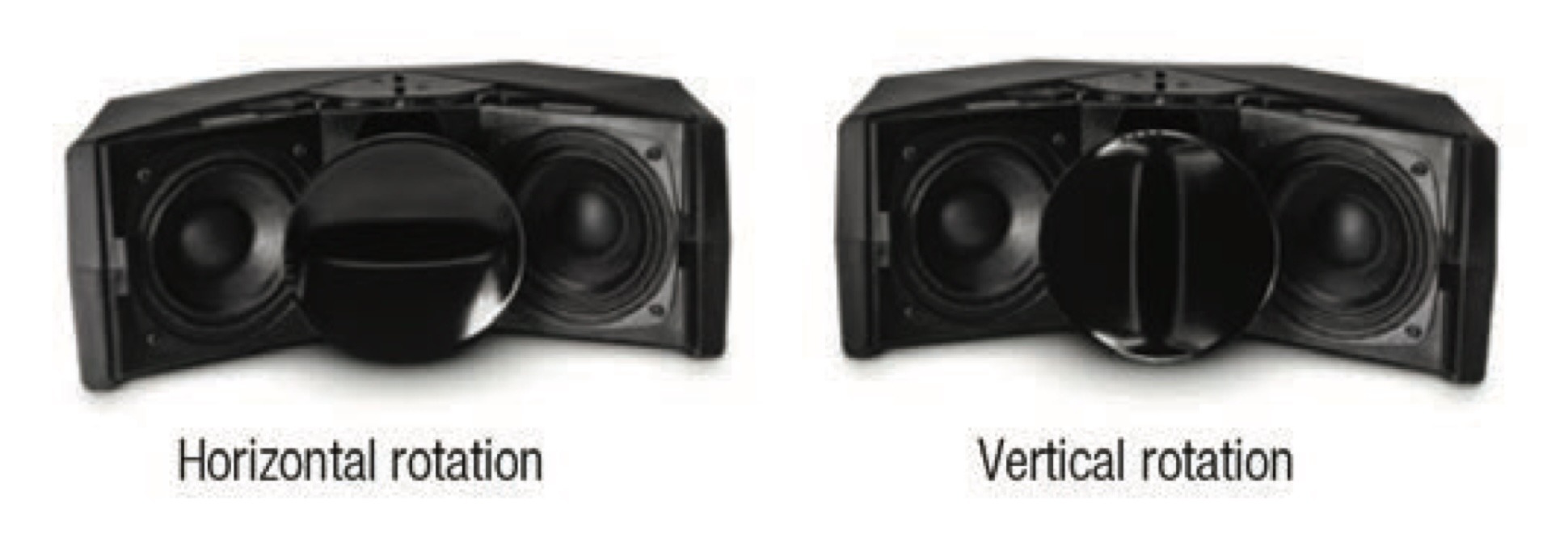
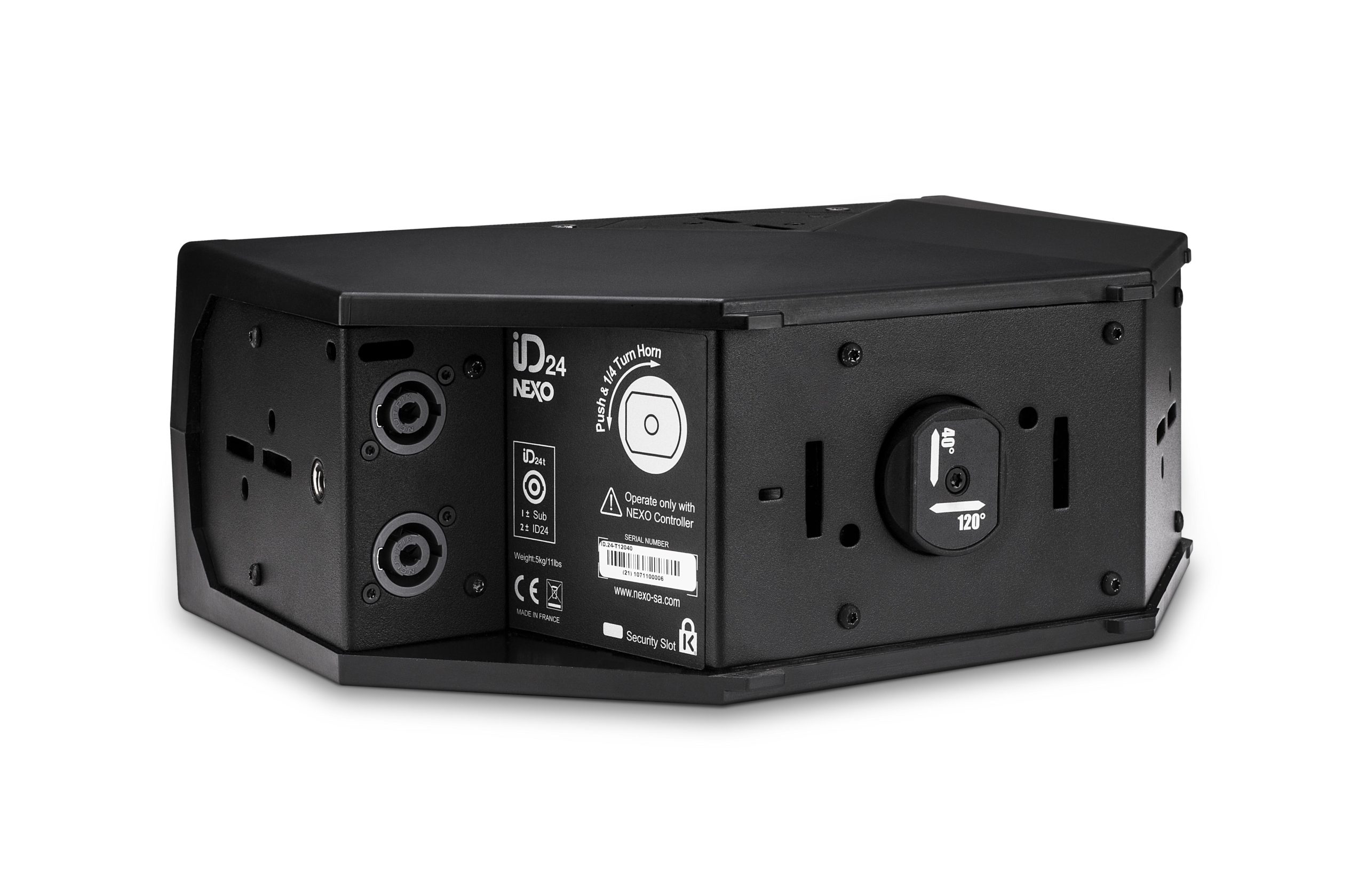
The NEXO ID24 has dual 4″ mid-bass drivers and then a high-frequency horn that can be rotated with a control knob on the back (no tools needed, no need to open the grille). That means it can be mounted horizontally or vertically and keep your desired horn coverage pattern, of which there are a few to choose from. I’ve got the 120° x 40° model. There is a detachable bracket available but the much cheaper option is to buy a 35mm M10 top hat for a speaker stand (such as the K&M 24521-000-55), or use an M10 bolt on a hook clamp, or for floor monitoring there’s a 45° angle they’ll sit at. Each cabinet is 6kg.
As a speaker that can peak at 126dB, it’s great as a fill speaker within a bigger rig, such as a stage front fill or under-balcony fill. On its own it’s a fab vocal PA speaker for conference use, with a small front profile compared to the competition and enough volume to penetrate a good number of rows of people. Add a sub (NEXO suggest the IDS-110 or the IDS-210) and it makes a good PA for a small disco or modest live music. The compression horn is a strong point and responsible for a lot of the speaker’s presence. The double 4″ drivers are very respectable but don’t keep up with the bass you’d get from the 8″ driver in the old PS8. The PS8 isn’t much heavier (7.5kg, and it’s a wooden box) but the ID24 profile is way smaller for a speaker that essentially is about the same power output. One ID24 feels (and is) more than twice as loud as an ID14.
As a 16 ohm speaker, again you can drive up to eight on one channel of the NXAMP Mk2.
Other ID Series Speakers
The NEXO Plus ‘P+’ Series Speakers, Reviewed
The P8, P10, P12, P15 and P18 from the Plus series all use dual-concentric drivers with a corresponding diameter in inches, with increasingly large compression drivers incorporated.
The touring versions of the P+ series are all multi-use with the same cabinet philosophy – lie them down for a floor-monitor tilt, or use the pole mounts for upright positioning on a tripod, or get the tilt brackets for tripods or flying. This means they can do different jobs on different days.
The finish is genuinely durable with tough steel grilles and rubbery textured paint. They’re very rigid and solid, with formed glued plywood. They’re heavy for their size, but only compared to more consumer-orientated boxes. With 2 Speakons on the back and one each side, they’re easy to connect and daisy-chain.
To make mine more weatherproof, I bought Neutrik’s rubber bungs to put in the empty Speakon sockets. It’s also possible to get cheap universal rain covers from Covers&All.
A party trick of the P+ series are the swappable inserts for the high frequency horns. Without tools you can swap coverage patterns and orientation of the coverage.
See the P+ Series web page and data sheet.
The NEXO P8
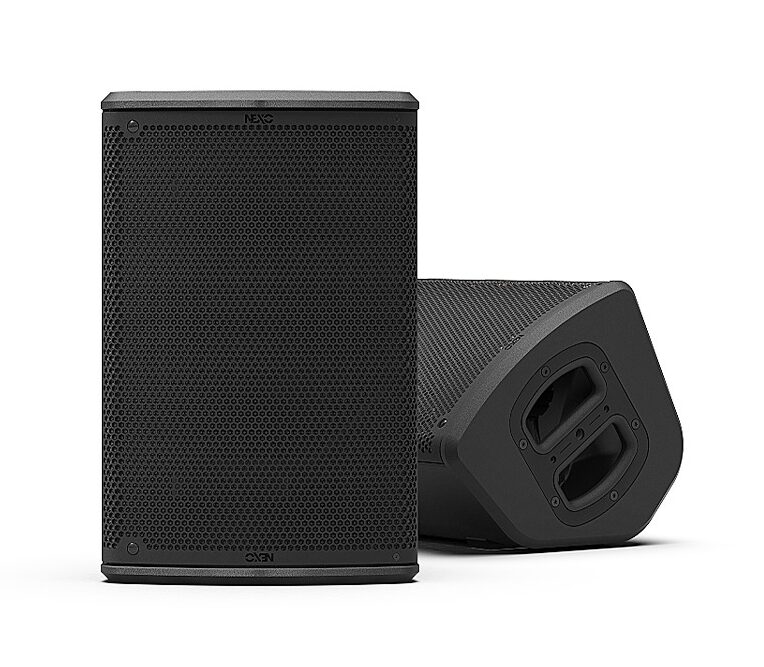
The baby of the P+ series, the P8 is suitable for small music gigs or discos for a hundred people when used with a sub (maybe the Nexo L15). On its own it’s great for content without much bass, such as speech, or for background music.
Put it on the floor and it’ll do as a monitor for small folk and acoustic acts, or as foldback in a big conference scenario.
It’s also great as a fill or delay speaker in a bigger rig.
It’s based around an eight inch driver, but compared to the old PS8 it’s twice the volume: it’s about double the physical cabinet volume and it’s a good few dB more efficient, so double the audible volume, too. At 12kg, it has a bit of heft.
There’s a 1.5″ compression driver that makes for a nice clear sound. The default 100×100° horn is quite wide and so that will limit some long-throw applications. There’s an optional 110×60° horn insert which I haven’t tried but is probably more practical.
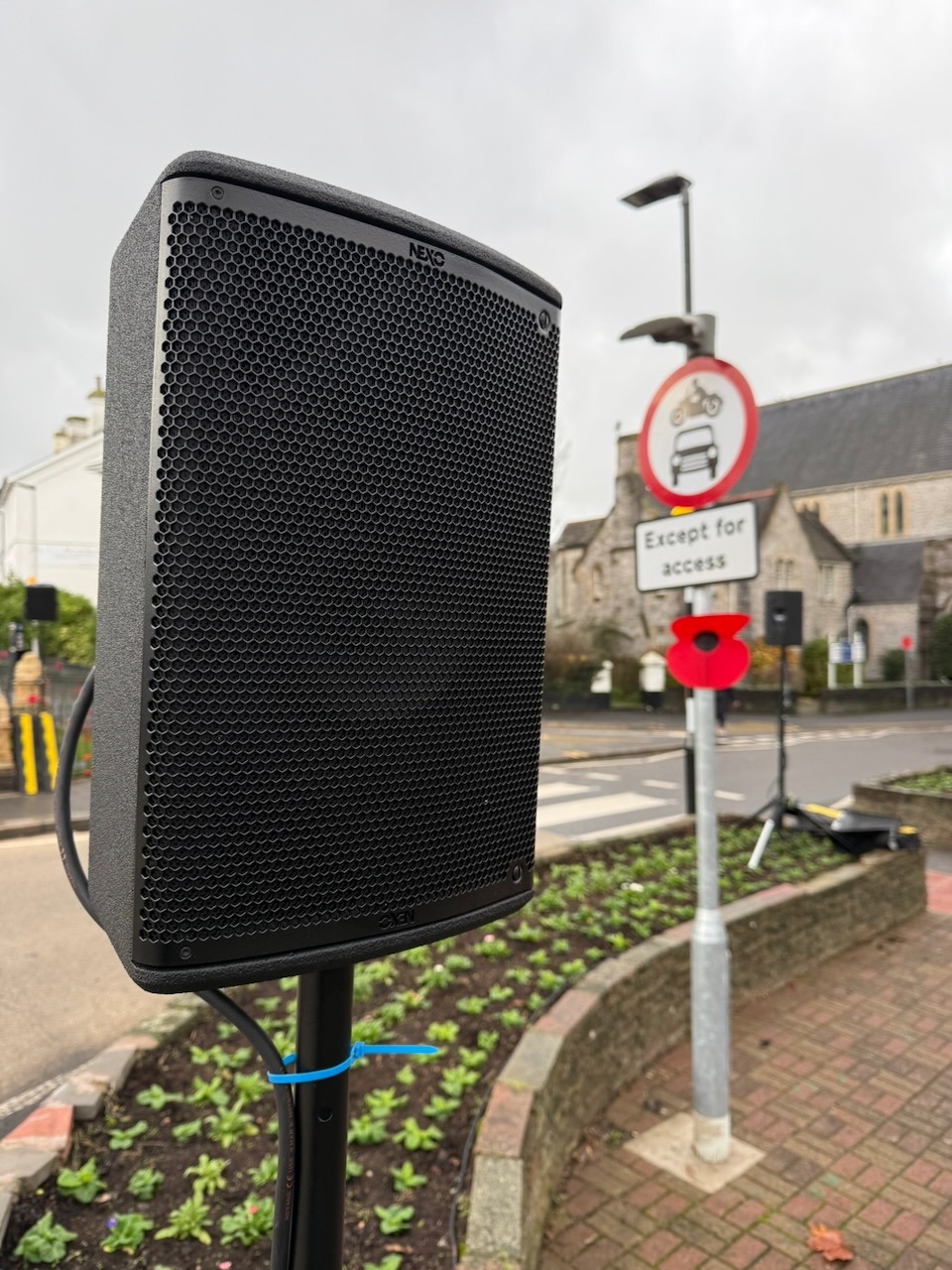
See the NEXO P8 web page and NEXO P8 data sheet. The P8 was launched in 2020.
The Nexo P10
The P10 is a big jump up from the P8 in terms of power – despite there being just a two-inch increase in driver diameter, there’s a 7dB increase in peak output and the cabinet is physically a lot larger (the size of some compact 12″ speaker cabinets). The high frequencies are covered by a 1.7″ compression driver. Where the P8 can shout at you, the P10 can punch you.
As an FOH speaker, I’d use this with function bands with a dancefloor of 50-150 or so. Paired with strong subs, you’ll get good coverage from the bass right to the top of the spectrum. That means nice strong snare hits and toms.
As a floor monitor, I would sometimes use it where I would have used my previous active 12″ floor monitors. It will hold its own. Above the volume the P10 can deliver for monitoring, that’s a stage that’s too loud as far as I’m concerned! A full-range or bass instrument or a monitor carrying bass would need a P12 or P15 instead.
Much like the P8, the P10 is good for filling coverage or as a delay speaker on larger systems. For acoustic acts, background music, and speech, you’ll be OK without a sub. Like the P8, by default it’s 100×100° or you can get the horn insert for 110×60° instead. It’s not ideal for long throw.
See the NEXO P10 web page and NEXO P10 datasheet. The P8 was launched in 2020.
The NEXO P12
The P12 is the original of the P+ series. From this size upwards, the cabinets support bi-amplification and the high-frequency compression drivers have bigger diaphragms and have deeper horns that extend beyond the speaker voice coil area. The bigger horns can take a variety of waveguides: as-is the horn is 60×60° but you can add inserts for 90×40° or with variable coverage like the original PS horn (60-100 x40°).
The P12 has the same efficiency as the P10 but, with a 3″ compression driver, more of the midrange is covered by the horn, and it’s very detailed. It needs a lot of power; one channel of the NXAMP4X1 will not get the most out if it – two channels bridged will, or use the NXAMP4X2.
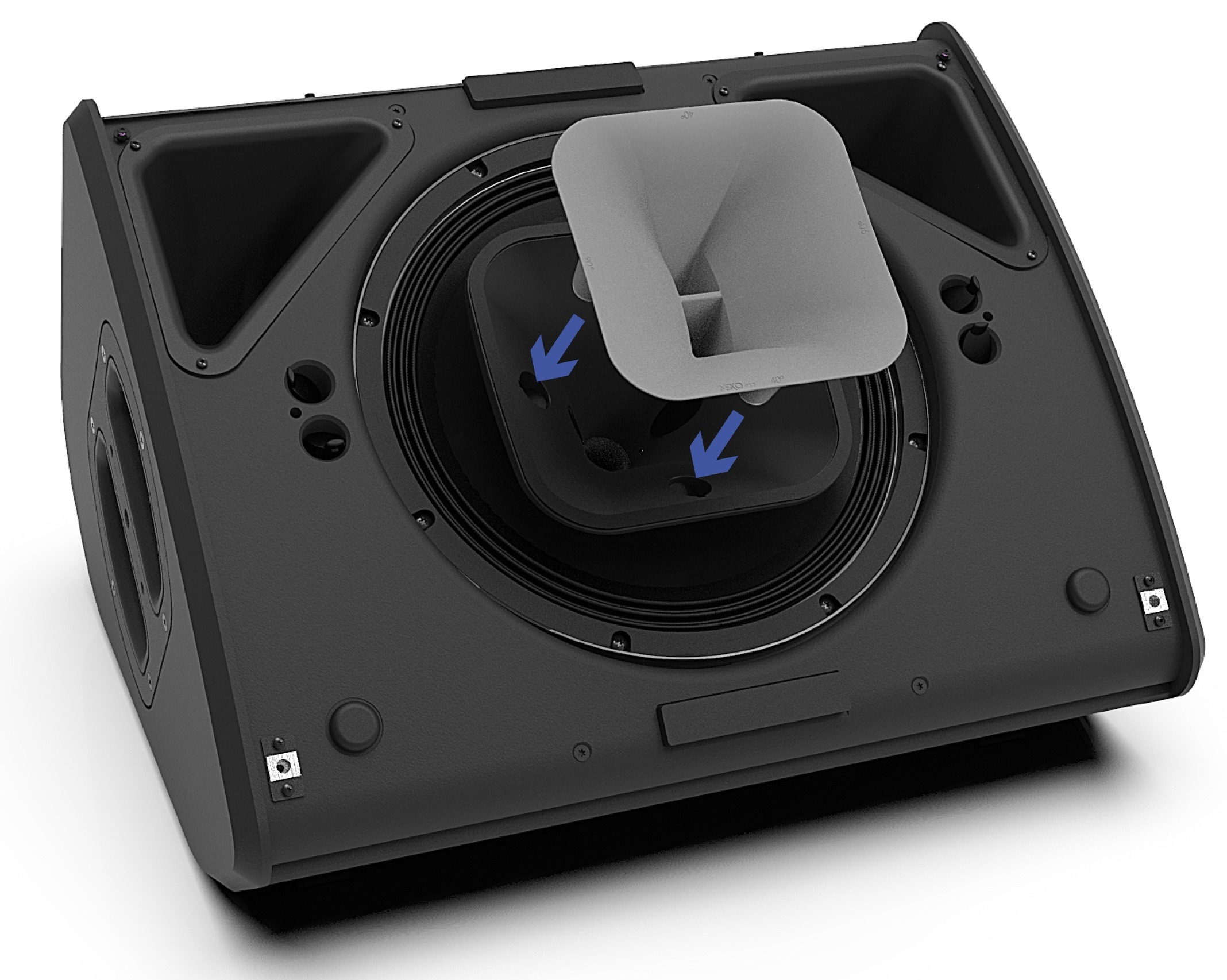
Even at the 12″ driver size, this cabinet is still not especially tuned for deep bass. I’m sure that’s by design. It will do it, but for real full range you still need a sub. Since it peaks at 138dB (or 140dB bi-amped), that likely needs to be something powerful. It’s size-matched for stacking with the L15 sub, and works well with that and the L18. That gets you a PA for live music outside (think pub car park festival or similar) or for a function room with a few hundred people. It’s a pleasure to mix on, pleasingly clear and strong at all frequencies, making drum kits and good instruments sound great.
As a floor monitor, it’s fantastic. The PS horn adapter can be used to give it an ideal dispersion.
Without a sub, it’s quite a point source powerhouse, and will throw further than the P8 or P10 because the horn dispersion is narrower. You could use them for a mobile disco or any manner of general PA tasks.
At 20kg it is on the heavy end for a manual lift onto a tripod. Fix the tilt bracket on it and it can be even trickier, but the ability to raise it up and tilt it down is worth it, even if the tilt bracket is also fairly pricey.
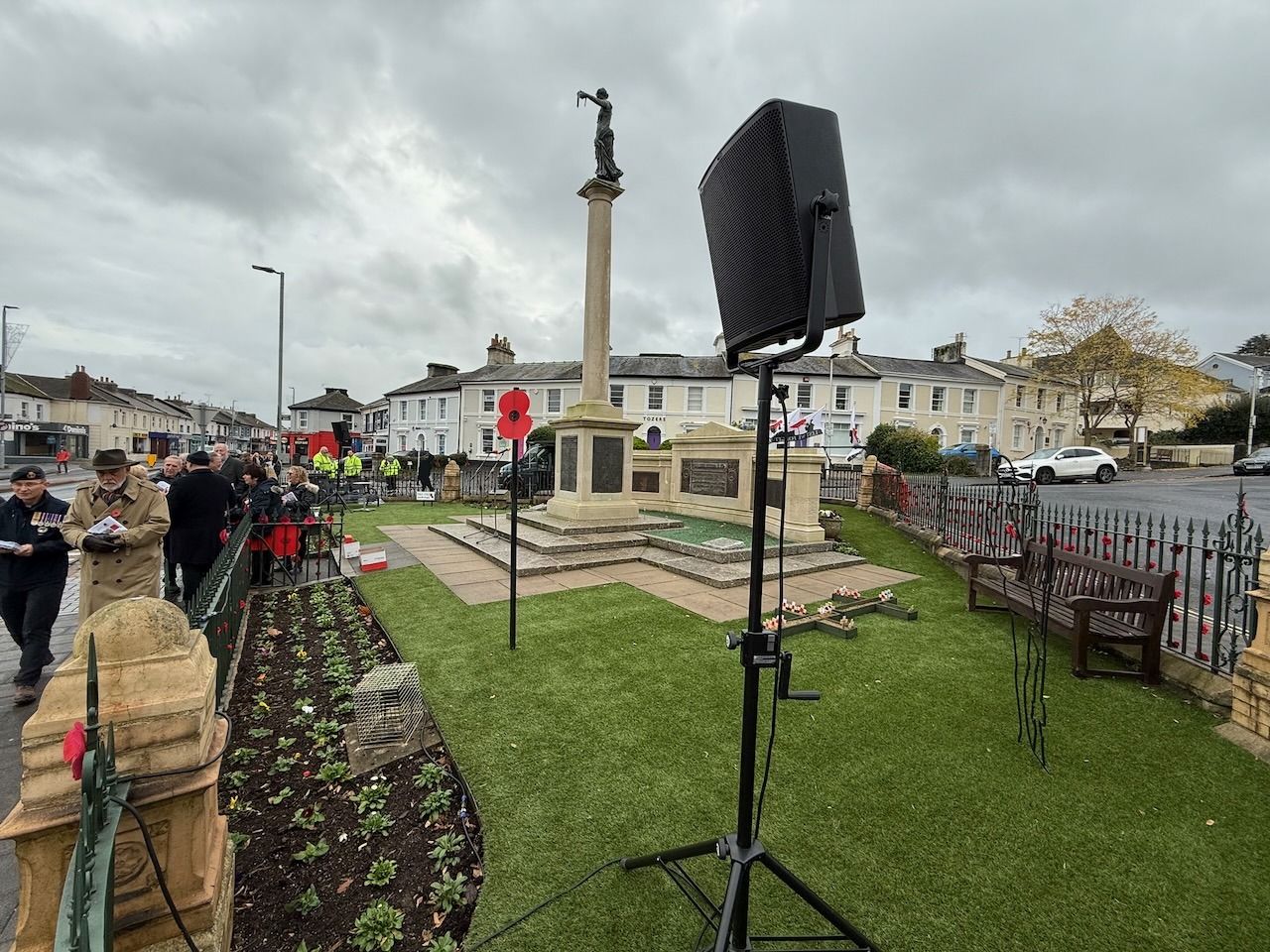
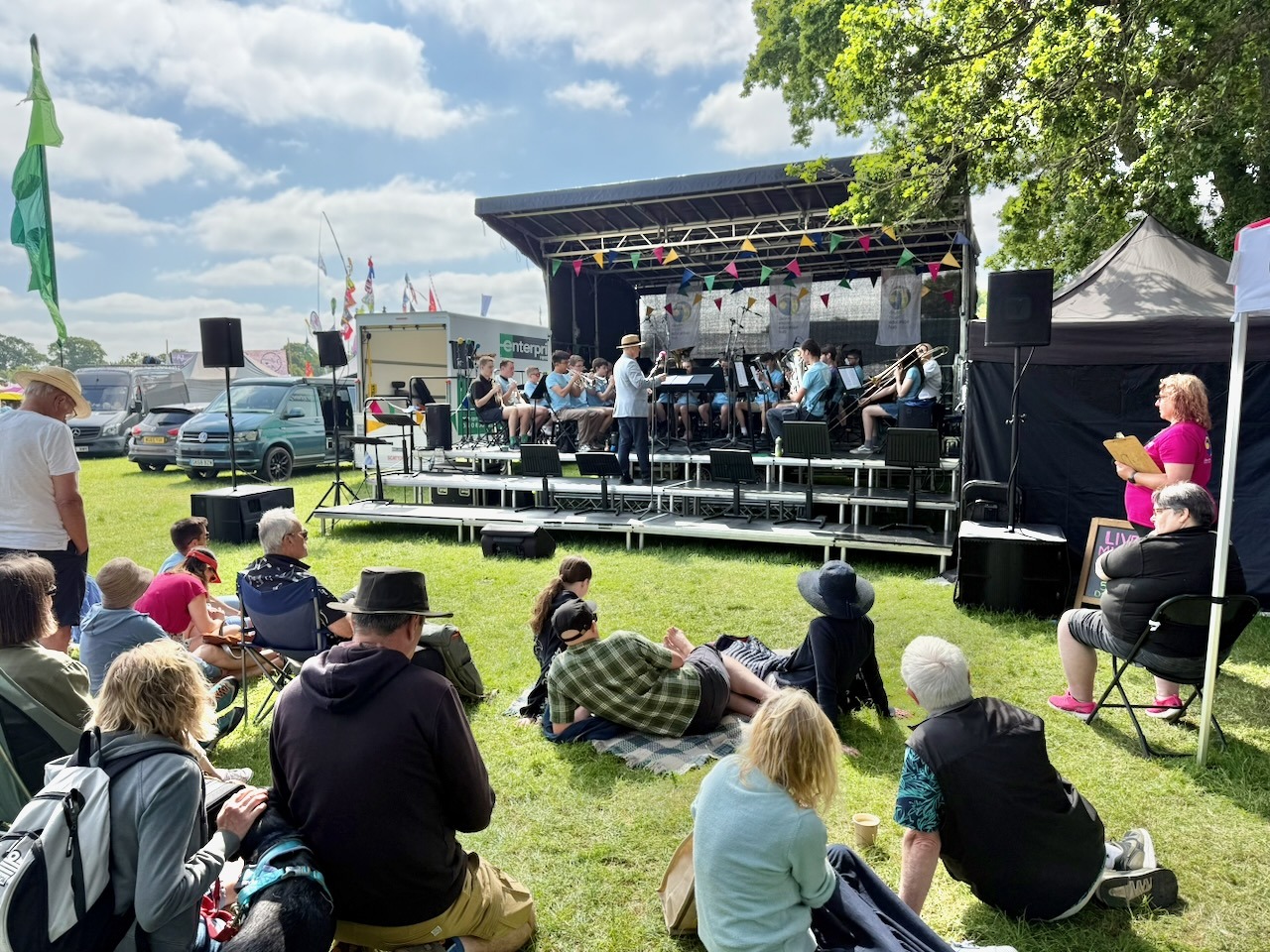
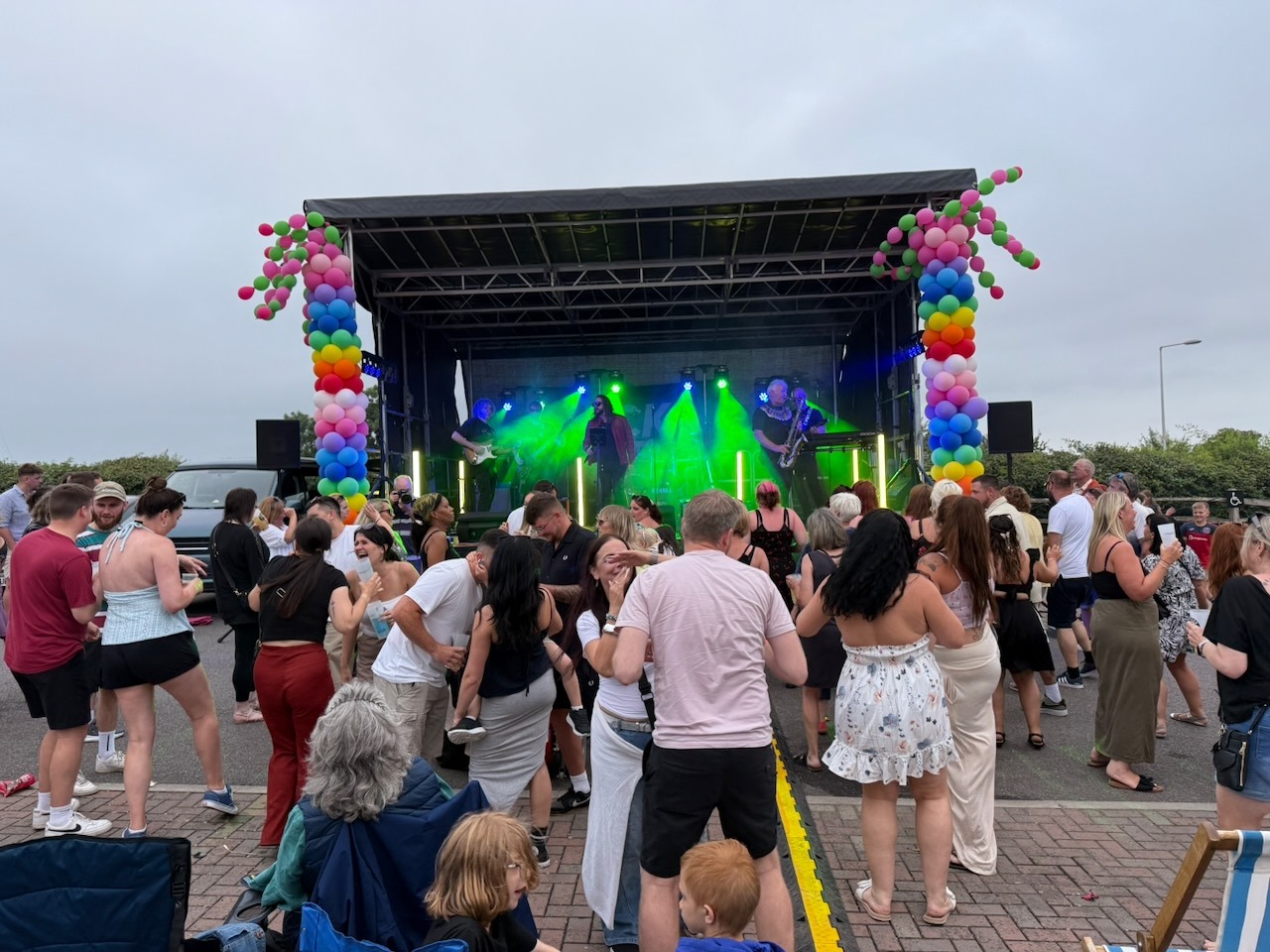
See the NEXO P12 web page and NEXO P12 datasheet. The P12 was launched in 2019.
The NEXO P15
The P15 is 3kg heavier than the P12 and gets to the point where it’s a rather less casual box to lift and move. I can lift it onto a K&M wind-up stand but preferably that’s a two-person job. I don’t have the tilt brackets for mine yet, but if it’s anything like the P12, the brackets make them an even trickier lift, assuming you fix the bracket on the speaker before lifting the whole assembly.
In a floor monitor position, it has more physical presence than the P12 and will set expectations accordingly.
Although it’s hard to tell from the photos, the larger diameter driver hosts a proportionately larger HF horn, so HF pattern control is better. Downside is that you can’t share different horn inserts between speaker sizes. It’s still a 3″ diaphragm in the driver behind and the horn dispersion options are the same.
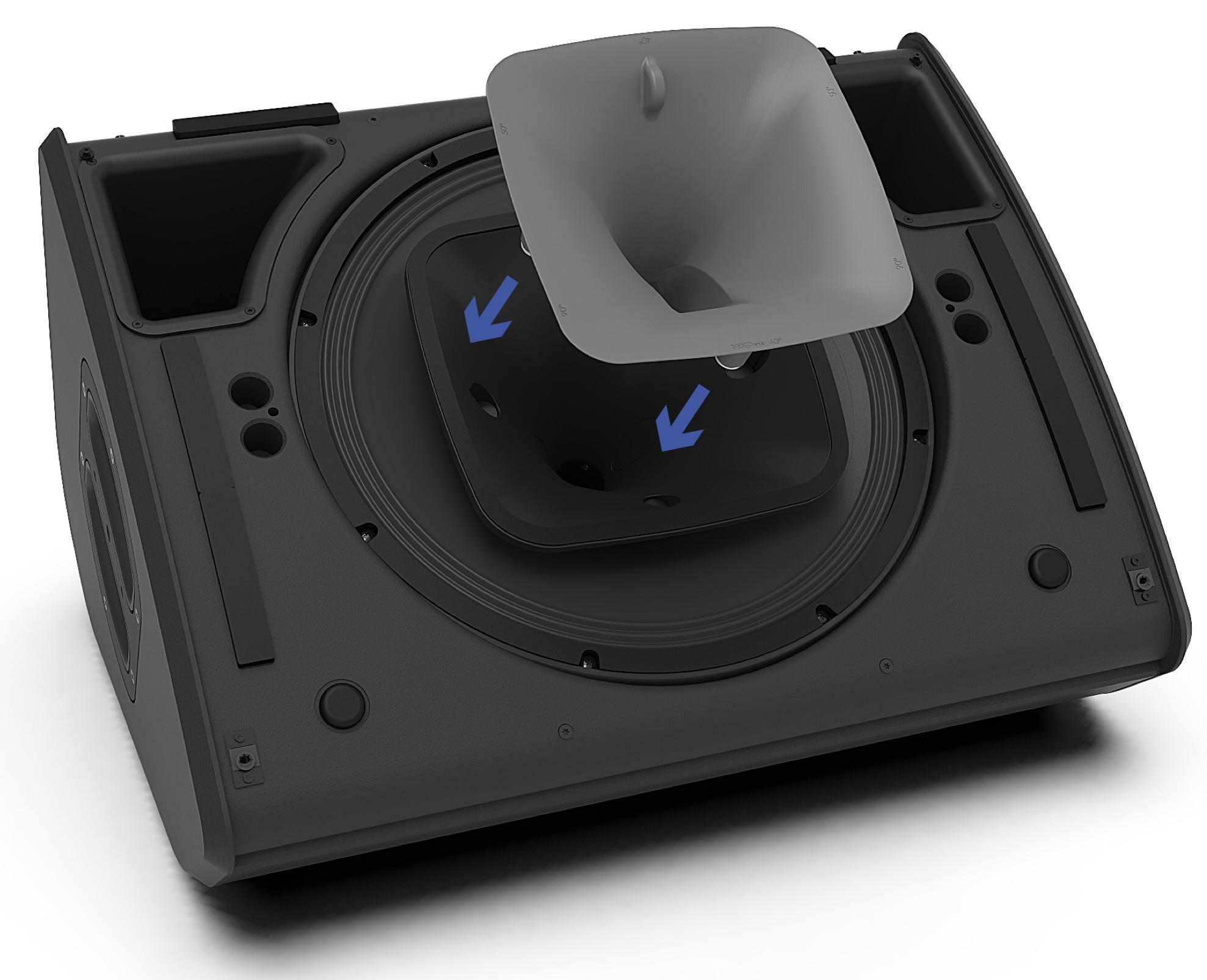
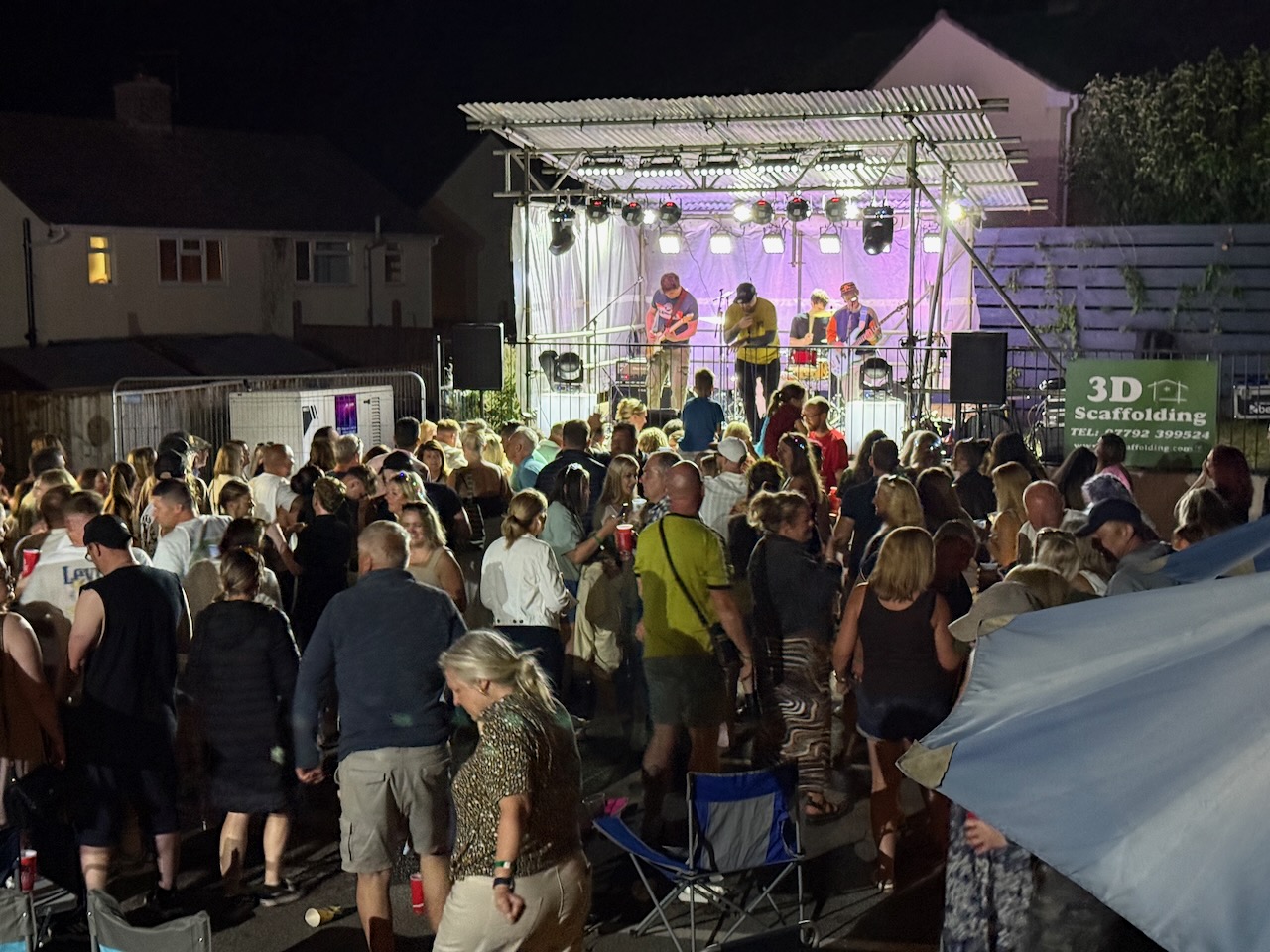
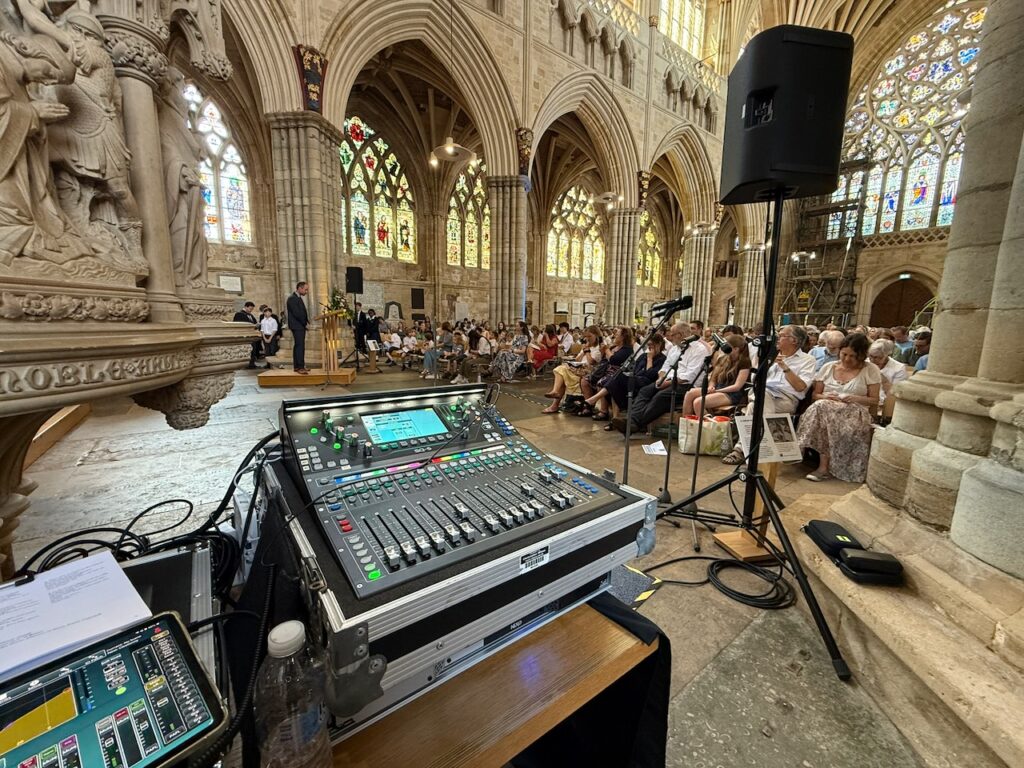
The spec sheet says the P15 goes down to 57Hz (vs 60Hz for the P12), yet the P15 is a significantly fuller-sounding and more bassy speaker compared to the P12, although even at this size you still need a sub for deep bass. As a floor monitor, it’s very rich and would be a luxury to have, as it’s a bit nicer even than the very credible P12.
Tonally, when used with its full range preset I think it’s subtly different to the P12, I’ve EQed a touch of midrange presence back in and applied a slightly different dip higher up the frequency range. It’s rewarding to listen to, and clear.

It’s marginally more efficient and louder than the P12. The real-world capability difference feels like more than the 1dB peak SPL difference on the spec sheet. Again, the NXAMP4x1 isn’t enough to drive it hard without bridging, so do that or use an NXAMP4x2. When it’s placed over a sub to take the low frequency load away, you’ve got a powerful mid-high speaker for a ballroom dance floor or a small outdoor festival.
The L18 is the official partner sub, and that’s a good combination. The P15 in monitor position is the same width as the L18.
The NEXO L Series Subwoofers
Designed and sold to be used together with the P+ series, the L15, L18 and L20 subs share the design language and finish. The design is a horn-loaded dual bandpass, so different frequency ranges come out of the left and right sides.
The L18 is nearly twice the size of the L15. The feel of the loudness is surprisingly close, to the credibility of the L15. I’ve had complaints of the L15 rattling a containerised mobile bar nearby. The difference is in the presentation: they’re both tight and controlled, the L18 just has more low extension, and that reveals the deepest of basslines, the thumpiest of bass drums and the full pounding of electronic dance music. It needs a lot more amp power to do that, as well.
Both subs are enjoyable to mix on for a band PA, with no difficulty in getting a great sound once the system has been balanced. Recorded music sounds great, but some tracks have more very deep bass information, which is only revealed by the L18.
Most of the subs and speakers offer crossover points, via amplifier processing, at 85Hz and 120Hz, which allows the sound to be distributed according to the source material, speaker sizes and ratios. If I’m using a single sub I’ll use a lower crossover point if I need to rebalance the power distribution.
Accordingly, I might use one or two L18s with a pair of P12s. For tight space, a pair of L15s would be louder than one L18, but not be much bigger.
An L18 is physically hard for me to lift and move on my own; the L15 is heavy but it’s much more manageable. I bought the official wheel board for my L15, which adds a little bit of weight but makes it very easy to push around a venue or car park. You can load it up with things on top, if you’re careful! I bought the official Nexo covers for my L18s, which look good and work well, with holes and flaps for the handles, M20 thread and Speakons.
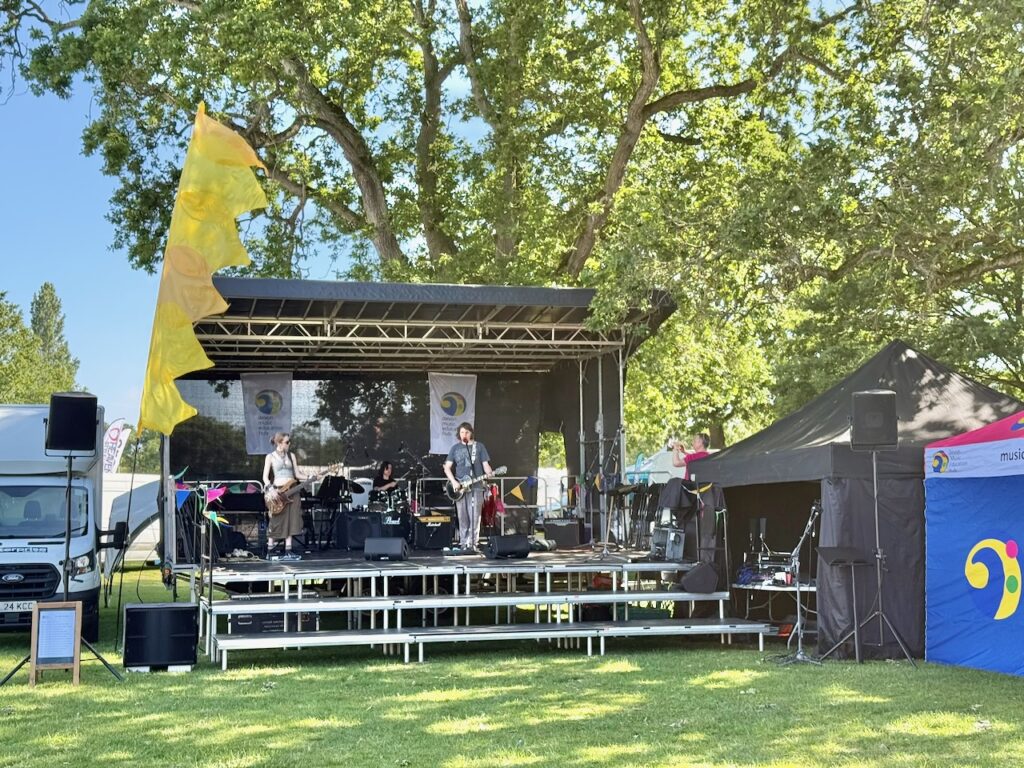
Conclusion
For small production companies and PA businesses like mine, these are an excellent set of amplifiers and speakers that are versatile and perform well in lots of combinations and applications. They are a significant investment, but because every speaker is effective in multiple roles and the NXAMPMK2 can drive all of them, your overall inventory can be less than with single-purpose, less powerful cabinets. For redundancy reasons I always like to take out at least two amplifiers of some form, which does add to the cost, though.
I also haven’t covered Nexo’s line array offerings, but at my small scale, point source just makes more sense.
Availability of Nexo gear seems reasonable in the UK (at least three trade distributors I know of, I use Leisuretec), residual values are good, and under Yamaha’s ownership, they have strong foundations.
You can see my current inventory and feel free to ask questions. If you need a high quality PA system for a gig in Devon, hire me and you can hear it for yourself!